

66% wage rise in two years is making apprenticeships ‘exceptionally expensive’ for SMEs, Says MD
Posted by: electime 3rd December 2025
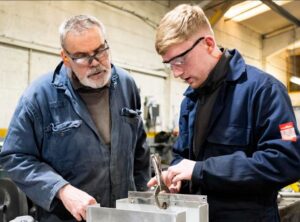
Tadweld Apprentice in Training
SMEs Struggle to Sustain Apprenticeships Amid 66% Wage Hike and Rising Business Costs.
66% wage rise in two years is making apprenticeships ‘exceptionally expensive’ for SMEs, Says MD
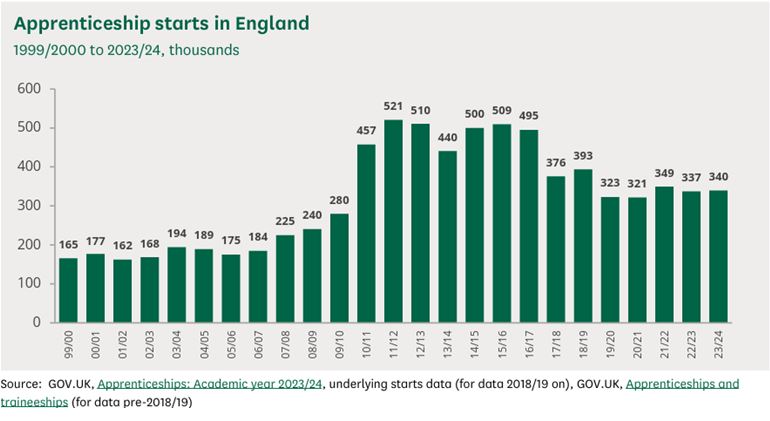
- There were 170,000 less apprenticeships in 2024 than in 2014
- Apprenticeship national living wage (NLW) has increased a staggering 66% in just two years
- SMEs are reeling, with many cancelling or downsizing their apprenticeship programs
There have been many articles about the recent onslaught of anti-business policies by our governments. First, it was the Conservatives who raised corporation tax from 19% up to 25%, and then Labour’s most recent combination of increases to National Insurance and National Living Wage in May 2025.
All told, for many SME businesses, it added tens of thousands of pounds to their costs and has resulted in some of the highest business closures in the last 30 years. Yet, one area that has seemingly escaped the limelight until now is the impact these changes are having on apprenticeships.
The first apprenticeships in the UK can be traced back to 1563 and the Statute of Artificers. Since then, they have been the mainstay of industries like welding, plumbing, construction and manufacturing, more recently expanding to include hospitality and healthcare.
Unfortunately, changes to funding in 2017 (with the introduction of the Apprenticeship Levy) combined with national policy promoting high levels of university degrees, have had a significantly negative impact on the number of apprenticeships in the UK, with 170,000 less places in 2024 compared to just ten years ago.
However, more recent shifts in attitudes are considering them as a genuine alternative to pursuing an expensive university education leading to stabilising and marginally increasing numbers.
Apprenticeship starts in England
That was, until the most recent round of national minimum wage rises have made it cripplingly expensive for business to train them.

Tadweld’s Managing Director Chris Houston
Chris Houston, Managing Director of Tadweld, a leading steel fabrication and engineering company explains why:
“In 2023 the minimum wage for an apprentice welder was £6/hour. Whilst that may seem low, apprentices attend college one day per week and we pay them for that time too. They’re in training for most of the time they are with us, working alongside a skilled fabricator, so we’ve always seen apprentices as an investment rather than an employee able to produce high volumes of work.
“However, in 2024 the apprentice NLW increased to £7.50/hour, and then in 2025 it increased to £10/hour. That’s a staggering 66% increase in 2 years. In 2026, NMW for under 18’s will increase again to £10.85 which makes offering apprenticeships exceptionally expensive.”
Whilst businesses appreciate that the Apprentice Levy funds the training provided by the education system, it seems to many that policy makers have forgotten that this is only a small fraction of the overall costs to a business in training the apprentice. By increasing the employment costs by over 70%, it has had a massive impact on the affordability for a business, especially SME’s.
Alan Pickering, Managing Director at Scarborough based manufacturer Unison commented:
“We’ve run an apprenticeship program here at Unison for over 25 years and are very proud of the graduates from it who now hold significant roles in our business. This year will be the first year that we won’t make a position available. Unfortunately, the recent changes have made it too expensive to train apprentices, and yet these guys and girls are supposed to be the future of British manufacturing. For someone who is passionate about the industry, it’s incredibly frustrating”.
Chris Houston from Tadweld concludes:
“It seems such a shame that at the point we finally have the next generation more interested in vocational education, that central policy has made it so much harder for businesses to offer apprenticeship places.
“I’d love to be proven wrong, but anything that makes it harder for industry to participate in training the next generation feels like a significant backward step. There is due to be demand for 35,000 new welder positions in the UK over the next 5 years but as a country we only trained 231 welding apprentices in 2024.
“The maths simply doesn’t work, and government need to evaluate how their collective decisions are currently making this even harder for industry. I’ll be in Westminster myself with the Madein Group on 4th December and organisations like Enginuity & MakeUK are essential in ensuring the manufacturing sector’s collective voice is heard. I look forward to trying to be part of the solution.”


