





Improving Energy Efficiency Through Smarter Structural Choices
Posted by: electime 18th March 2026
 Energy efficiency is often associated with modern appliances or renewable technologies, but the true foundation of a low-energy home lies in its structure. The way a building is designed, constructed, and positioned determines how effectively it retains heat, uses natural light, and supports comfortable living conditions.
By making smarter structural choices from the outset, homeowners can create spaces that naturally require less energy to maintain.
Good structural planning reduces reliance on heating and cooling systems by improving how a home interacts with its environment. Elements such as wall composition, window placement, and internal layout all contribute to overall performance.
When these components are carefully considered, the result is a more balanced indoor climate and reduced long-term energy costs.
Prioritising Insulation and Building Envelope Performance
One of the most important structural considerations for energy efficiency is insulation. High-quality insulation helps maintain indoor temperatures by limiting heat transfer through walls, floors, and roofs.
A well-insulated building envelope acts as a protective shell, keeping warmth inside during colder months and preventing excessive heat gain in warmer seasons.
Beyond insulation materials themselves, the continuity of insulation plays a significant role. Gaps, poorly fitted panels, or structural interruptions can create thermal bridges where energy escapes.
Designing structures that minimise these weak points helps ensure consistent performance and reduces the strain on mechanical climate systems.
Airtight construction is another key factor. Sealing joints, improving structural connections, and incorporating appropriate ventilation strategies all contribute to maintaining indoor comfort while preventing unnecessary energy waste.
Choosing Efficient Windows and Door Solutions
Structural openings are essential for natural light and ventilation, but they must be designed with energy performance in mind.
Modern glazing systems and well-engineered frames can significantly reduce heat loss while allowing sunlight to brighten interiors. Selecting high-performance options for windows and doors helps maintain thermal stability throughout the home.
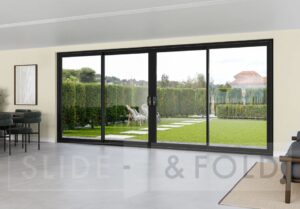
Large openings can still be energy efficient when carefully specified. For example, installing sliding doors by Slide & Fold can help combine expansive views and natural illumination with improved insulation performance.
Thoughtful placement of these features also enhances airflow and contributes to a more open, comfortable atmosphere.
Using Orientation and Passive Design Strategies
The direction a building faces has a powerful impact on its energy use. Positioning living areas to capture natural daylight can reduce dependence on artificial lighting and support passive heating during cooler months. South-facing glazing, when balanced with shading solutions, allows sunlight to warm interior spaces without causing overheating.
Structural elements such as overhangs, balconies, and external screens can be integrated into the design to control solar exposure. These features help block intense summer sun while still permitting winter light to enter.
By planning shading and exposure at the structural level, homeowners can achieve a naturally regulated indoor environment.
Incorporating Thermal Mass and Natural Ventilation
Materials used in construction can also influence how efficiently a building performs. Dense materials like concrete, brick, or stone can store heat during the day and release it slowly when temperatures drop. This process, known as thermal mass, helps smooth out temperature fluctuations and reduce the need for continuous heating or cooling.
Natural ventilation strategies further support energy efficiency. Structurally positioned openings encourage cross-breezes that cool interiors without relying on air conditioning.
High-level windows, internal voids, or open-plan layouts can all assist in maintaining fresh airflow and improving comfort.
Long-Term Value of Smarter Structural Choices
Designing with energy efficiency in mind delivers benefits that extend well beyond reduced utility bills.
Homes that perform efficiently are often more resilient to changing climate conditions and future energy regulations. They also tend to offer improved comfort, better indoor air quality, and increased property appeal.
Ultimately, energy efficiency is achieved through a combination of structural foresight and practical design solutions. By focusing on insulation, orientation, glazing, and material performance, homeowners can create spaces that support sustainability while maintaining style and functionality.
Thoughtful structural planning ensures that energy savings become a natural outcome of the way a home is built and experienced every day.


