






Millions of social renters to be protected from electrical faults, as new laws come into force
Posted by: electime 5th May 2026
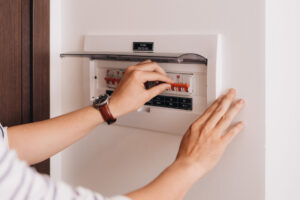 Social landlords in England are being urged to act now or risk fines of up to £40,000, as new electrical safety checks come into force, a charity is warning.
The legislation, which came into force on 1 May, will introduce stronger protections for millions of people living in social rented homes. It will require social landlords to ensure that electrical installations, as well as any electrical equipment they supply, are inspected and tested at least once every five years to ensure they are safe
These checks must be carried out by a competent and qualified person and will cover key elements of a home’s electrical system, including socket outlets, consumer units and fixed wiring.
Following the inspection, landlords will receive a report outlining the condition of the electrical installation. Where dangerous conditions are identified that result in a failed inspection, they must be rectified within 28 days to ensure the property is safe.
For the social rented sector specifically, a record must also be provided covering the details of any electrical equipment provided by the landlord, including its condition, whether it is suitable for use in the property, and the outcome of the checks.
The introduction of this legislation in England’s social rented sector means that tenants in both the private and social rented sectors across the whole of Great Britain are now protected by five-yearly electrical installation safety checks.
Steven Devine, electrical installation safety manager at Electrical Safety First, said: “With more than half of accidental domestic fires across England caused by electricity, these new laws mark an important step in ensuring all social rented homes in England are electrically safe. These checks will help align protections across Great Britain, and we hope Northern Ireland will take the next step by extending its regulations to cover social renters, so that everyone renting across the United Kingdom benefits from the same level of protection.
“Whilst responsible landlords already take this seriously and put the necessary measures in place to keep their tenants safe, this legislation extends existing requirements, on how often electrical safety checks must be carried out, to the social rented sector. We urge landlords to ensure their properties have been checked, as failure to provide evidence of a satisfactory inspection to the local authority when required may result in financial penalties. Everyone deserves to live in a safe home, and we know these measures will help support that for millions of renters.”
Evidence of safer homes
Similar laws were introduced in England’s private rented sector in June 2020, following campaigning by Electrical Safety First, after a fatal incident in 2009, in which a mother tragically lost her life after an electrical fault caused her bathroom tap to become live.
In 2022, research by the charity found that nearly 7,000 electrical faults had been identified and remedied as a direct result of the new regulations in England, helping to make homes safer. These ranged from the most serious hazards, classed as ‘C1 – Danger Present’, indicating an immediate risk to the tenant’s safety, to ‘C2 – Potentially Dangerous’.
Hazards that would fit into these categories include exposed live wiring, badly damaged electrical sockets and severe overheating of wiring that, if left undetected, would leave the occupiers at risk from electric shock or fire.
When do social landlords have to comply by?
The regulations for existing tenancies granted before 1 December 2025 come into force on 1 May 2026.
Social landlords have a six-month transitional period until 1 November 2026 to ensure that electrical installations, and electrical equipment provided by them, are inspected and tested by a qualified person.
If a satisfactory electrical installation condition report (EICR) already exists, a new inspection does not have to be carried out within five years.
Since 1 December 2025, all new tenancies in social rented properties have been required to have valid reports in place.
Who should carry out an EICR?
Landlords must ensure their installations are inspected by a competent person. Electrical Safety First recommends landlords use a qualified electrician, competent in electrical installation safety inspections, who is registered with a competent person scheme.
What penalties do landlords face if they don’t comply?
Landlords are being warned that failing to meet their duties under the new regulations is a criminal offence and could result in significant penalties, including fines of up to £40,000.
In January, a landlord in Harrow was taken to court and fined £9,000 after failing to provide an electrical safety certificate, amongst other offences. Another landlord in Hastings faced a similar fate in 2024 after also failing to provide an electrical safety certificate. He was taken to court and fined £10,000.


