




UK Lighting Market Returns to Growth as LED and Smart Technology Adoption Accelerates, New Barbour ABI Report Reveals
Posted by: electime 21st July 2026
 The UK lighting market is on course to return to growth in 2026, following a challenging few years shaped by weak construction activity, high inflation and subdued consumer confidence, according to new research from Barbour ABI, a leading provider of market intelligence for the construction and building products sectors.
The Barbour ABI Lighting market report provides a comprehensive review of the UK lighting market, examining market size and trends, key drivers and influences, end-use sector performance, distribution channels and forecasts to 2030. It finds that after a period of decline, the market is set for a steady return to growth, supported by rising LED penetration, the continued rollout of smart and connected lighting systems, and a wave of new energy efficiency legislation.
Luminaires dominate a maturing market
Luminaires remain by far the largest of the market’s three core product categories, well ahead of lamps and lighting controls, though Barbour ABI notes that the boundaries between these categories are increasingly blurring. A growing number of products now combine integrated LED lamps, luminaires and smart controls in a single unit – a trend the report expects to continue reshaping the competitive landscape over the coming years.
LED and smart technology driving transformation
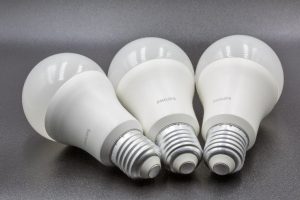
LED technology continues to transform the market, with penetration now accounting for the clear majority of UK lighting sales by value and set to rise further by 2030. The shift has been accelerated by regulatory bans on incandescent, halogen and fluorescent lighting, and is expected to fragment the competitive landscape further as lower barriers to entry attract a growing number of suppliers.
Smart and connected lighting is also gaining ground in UK homes and businesses. Barbour ABI’s research shows a marked rise in smart home device ownership over the past two years, with smart lighting systems increasingly cited among the most commonly adopted connected products – a trend the report expects to accelerate as awareness of the benefits of home automation grows.
Regulation and sustainability reshaping demand
New legislation is set to have a significant impact on the market over the forecast period. The Future Homes and Buildings Standard (FHBS), due to take effect in March 2027, alongside updates to Part L of the Building Regulations, introduces new minimum efficacy standards and places greater emphasis on automatic lighting controls such as occupancy sensors and daylight-linked dimming.
Public sector investment is also supporting demand, including a major National Highways programme to retrofit the majority of its road lights to LED by 2027 – a move expected to cut energy use and operational costs while improving road safety.
Looking ahead
Barbour ABI expects non-residential construction – which accounts for the majority of lighting market demand – to remain the key driver of growth, alongside continued momentum in smart lighting, Human Centric Lighting (HCL), Building Energy Management System (BEMS) integration, and emerging models such as Lighting as a Service (LaaS). Full five-year forecasts for the overall market and each product category, along with detailed end-use sector analysis, are available in the report.


