





Reducing Product Damage Across the Delivery Process
Posted by: electime 2nd September 2026
 A product can leave a warehouse in perfect condition and still encounter plenty of challenges before reaching the customer. Parcels may pass through sorting centres, conveyor systems and multiple vehicles, with repeated handling along the way.
Businesses cannot control every stage of that journey, but they can prepare orders for it. This guide looks at practical steps that can reduce the risk of products being damaged between the packing bench and the customer’s door.
Step 1: Identify Where Your Products Are Vulnerable
Begin with the product rather than the box. Consider what could realistically go wrong during delivery. Could glass crack after an impact? Could a delicate surface become scratched? Could a liquid leak? Could individual components move around?
Different vulnerabilities require different approaches. Identifying them before choosing packaging makes it easier to provide protection where it is genuinely needed.
Step 2: Choose an Appropriately Sized Outer Package
Packaging should provide enough room for the product and any necessary protective material without leaving excessive empty space. An oversized box allows products to move around unless significant amounts of void fill are added.
Packaging that is too tight, meanwhile, may leave insufficient space for cushioning. Review your most frequently dispatched products and consider whether your current box selection provides an appropriate fit.
Step 3: Cushion Vulnerable Products
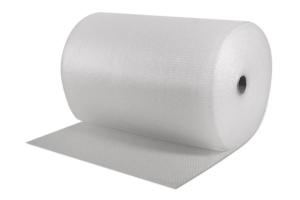
Fragile products often require an additional layer of protection against impacts and movement. Depending on the item, materials such as Priory Direct bubble wrap can provide cushioning around vulnerable products before they are placed inside their outer packaging. Pay particular attention to corners, edges, and delicate components rather than assuming every part of an item requires exactly the same level of protection.
Step 4: Stop Items Moving Around
Once products are inside the parcel, check how easily they can move. If you can hear or feel items shifting significantly when the box is moved, additional internal protection may be required.
This is particularly important when several products share one package, as they could collide during transit. Separating individual items or filling appropriate empty spaces can help keep the contents more stable.
Step 5: Seal Parcels Securely
Protective materials can only do their job if the outer packaging remains properly closed. Check seams and openings before dispatch and use suitable packing tape to create a secure seal.
Heavier parcels may require particular attention because additional weight can place more pressure on the packaging. A consistent sealing method also makes it easier for fulfilment teams to maintain the same standard across every order.
Step 6: Test Your Packaging
Do not wait for customer complaints to discover whether packaging is effective. Businesses can carry out practical tests that replicate some of the conditions parcels could encounter during transportation.
Think about what would happen if the package were turned upside down, placed beneath other parcels, or subjected to an impact. If the product shifts significantly or the outer packaging loses its shape, consider adjusting the packing method before sending orders at scale.
Step 7: Use Damage Reports to Find Patterns
Some damage will occasionally happen despite careful preparation. When it does, treat the incident as useful information. Record the product involved, the type of damage, and the packaging method used.
Customer photographs can also provide valuable clues. If one product repeatedly arrives with the same problem, changing its packaging could be more effective than continuing to process individual replacements.
Build Protection Into the Process
Reducing product damage is not about wrapping every order in as much material as possible. It is about understanding where damage is most likely to occur and using suitable packaging strategically.
Choose an appropriate outer package, protect vulnerable areas, limit movement, and learn from previous problems. When these steps become a routine part of fulfilment, businesses can give products a much better chance of reaching customers in exactly the condition intended.


