








How Electrical Contractors Can Work More Safely at Height
Posted by: electime 22nd September 2026
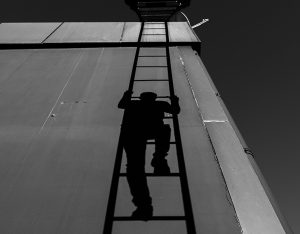
Electrical contractors regularly need to work above ground level, whether they are installing lighting, maintaining rooftop equipment, running cables, or servicing electrical systems. These tasks can combine two significant workplace hazards: electricity and falls from height.
Good planning, suitable access equipment and clear working procedures can reduce these risks. Here are some practical ways electrical contractors can create safer conditions when working at height.
Assess the Risks Before Starting
Every job should begin with a risk assessment that considers both electrical and height-related hazards. Contractors need to look at the working surface, access routes, roof edges, fragile materials, nearby electrical equipment, and the tools required for the task.
Conditions can also change during a project. Weather, other trades working nearby and newly installed equipment may introduce additional hazards, so assessments should be reviewed rather than treated as a one-off exercise.
Avoid Working at Height Where Possible
One of the simplest ways to reduce fall risks is to minimise the amount of work carried out at height. Some preparation, assembly and testing may be completed at ground level before equipment is moved into position.
Where elevated work is unavoidable, contractors should select access methods appropriate to the duration and nature of the task. A ladder may suit certain short, light jobs, while longer or more complex work could require scaffolding, a mobile access tower or a mobile elevating work platform.
Provide Effective Edge Protection
Rooftops are common working environments for electrical contractors, particularly when maintaining lighting, solar installations, HVAC connections and other building services. Unprotected edges can create a serious fall hazard even when workers are only accessing the roof for a relatively short period.
Collective safety measures can help protect everyone using the area without relying entirely on individual action. For buildings where contractors need regular rooftop access, Kee guard fixed edge protection can form part of a wider approach to controlling fall risks around exposed roof edges.
Keep Electrical Hazards Under Control
Working at height should never distract from electrical safety procedures. Contractors should identify nearby cables, conductors and equipment before positioning ladders, platforms or other access equipment.
Where appropriate, electrical systems should be safely isolated before work begins, with procedures in place to prevent accidental re-energisation. Particular care is also necessary around overhead power lines, where equipment does not necessarily have to make direct contact with a live line for a dangerous situation to arise.
Inspect Access and Safety Equipment
Access equipment needs regular inspection and maintenance. Damaged ladders, unstable platforms or poorly maintained fall-protection equipment can introduce hazards rather than control them.
Workers should also know how to inspect equipment before use and recognise signs that it should be taken out of service. Suitable storage can prevent equipment becoming damaged between jobs.
Plan for Emergencies
A safe system of work should consider what happens if something goes wrong. Rescue arrangements are especially important where harnesses or other personal fall-protection systems are used.
Teams should understand emergency procedures before starting work rather than attempting to develop a response after an incident occurs.
Make Safe Working Standard Practice
Working safely at height depends on more than having the right equipment. Electrical contractors need competent workers, effective supervision, suitable access methods and job-specific planning.
By assessing each task carefully and prioritising measures that prevent falls, contractors can make elevated electrical work safer without creating unnecessary obstacles to completing the job efficiently.


