





Schneider Electric research finds UK organisations are preparing to accelerate adoption of SF₆-free power infrastructure to support the UK’s energy transition
Posted by: electime 29th September 2026
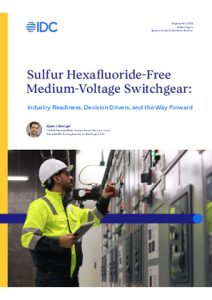
Schneider Electric, a global energy technology leader, has announced new research showing that UK organisations are planning and preparing to accelerate adoption of SF₆-free medium-voltage electrical infrastructure, highlighting growing investment in advanced energy technologies. The Whitepaper, “SF₆-Free MV Switchgear: Industry Readiness, Decision Drivers, and the Way Forward,” was commissioned by Schneider Electric and researched and written by IDC.
 The findings underscore how advanced energy technologies are becoming a critical enabler of the UK’s transition to a more electric, digital and sustainable future.
The research is based on a survey of 700 medium-voltage infrastructure decision-makers across seven regions and four industry sectors. IDC found that the transition to SF₆-free switchgear is accelerating globally, with the UK demonstrating some of the strongest indicators of transition readiness among the markets surveyed.
The study shows 28% of UK organisations have already begun transitioning to SF₆-free switchgear, while 62% expect to be actively transitioning within the next two years. No UK respondents anticipate an adoption timeline beyond five years.
The findings also signal that the UK’s energy transition is moving deeper into the physical infrastructure that underpins electrification, digital growth and essential services, demonstrating how energy technology innovation is helping organisations improve resilience, support growth and reduce environmental impact. While EU F-Gas regulation has established a clear compliance pathway across Europe, the UK market is already progressing towards SF₆-free technologies in anticipation of future requirements and to manage carbon, operational risk and long-term network resilience. IDC found that 100% of UK respondents expect future SF₆ regulation, underlining the need for the UK Government to provide a clear regulatory framework. Policy certainty will be essential to support investment decisions and enable OEMs to plan product development roadmaps, manufacturing capacity and deployment strategies with confidence.
Commenting on this, Bjoern Stengel, Global Sustainability Research Lead, IDC, said: “Regulation may be the catalyst, but the organisations moving first are those building confidence through operational evidence, lifecycle economics and proactive planning. The market has moved beyond asking whether SF₆-free technology is viable and is now focused on how organisations can transition efficiently while balancing reliability, cost and operational continuity.
Utilities lead the way
The research shows that electric utilities are the most advanced sector surveyed in their readiness to adopt SF₆-free medium-voltage switchgear. Nearly four in five utilities (79%) say they are willing or very willing to adopt the technology; 24% have already started transitioning; and 49% have completed a full lifecycle-cost assessment.
The findings suggest that SF₆-free switchgear is progressing beyond a technology concept or isolated pilot, becoming part of long-life, resilient investment in the electricity networks that will support the UK’s wider energy transition.
For utilities, the investment case is particularly strong because grid assets are expected to remain in service for decades. IDC found that reliability is paramount for this group, but that long asset lifecycles make lifecycle-cost analysis especially important. Organisations that have completed these assessments have greater confidence in the operational and financial case for SF₆-free technologies.
The research shows that sustainable infrastructure must extend all the way to the technologies used to distribute and manage electricity. For utilities, moving away from SF₆ is increasingly becoming an essential part of building a resilient, modern and lower-carbon power system.
As electrification accelerates across industry, transport, buildings and digital infrastructure, utilities are increasingly prioritising technologies that combine operational performance, resilience and sustainability.
Confidence in technology, supply and lifecycle value
IDC’s findings also highlight what organisations need to accelerate the transition. Technical concerns remain the primary barrier for 67% of UK respondents, while 54% cite supply-chain readiness as a challenge. However, this is less a question of technology availability and more a reflection of policy uncertainty and limited long-term visibility of demand. Without a clear UK regulatory pathway for SF₆ phase-out, manufacturers and wider supply-chain partners face difficulties in planning product development, investing in production capacity and building the skilled workforce needed to support deployment at scale. Greater policy certainty would help create the long-term order visibility required to unlock investment across the electricity networks supply chain and accelerate the availability of SF₆-free solutions. Reliability nevertheless remains the most important criterion in medium-voltage equipment purchasing decisions.
The results reinforce the importance of partnering with providers that can help organisations assess the transition in operational—not just environmental—terms. This includes evaluating technology performance, carbon impact, availability, maintainability and the total cost of ownership over an asset’s lifecycle.
Schneider Electric is supporting customers through this process with SF₆-free medium-voltage technologies, global deployment experience and lifecycle-cost modelling. As part of its leadership in advanced energy technologies, Schneider Electric helps organisations modernise critical infrastructure, strengthen resilience and accelerate decarbonisation. It helps organisations understand the financial and operational implications of transition. Its AirSeT and Ringmaster AirSeT portfolio has now surpassed 150,000 SF₆-free functions deployed globally.
Ringmaster AirSeT is manufactured at Schneider Electric’s Leeds Smart Factory, demonstrating how innovation, digitalisation and sustainable manufacturing can strengthen domestic energy infrastructure capabilities while supporting local supply chain resilience.It provides UK customers with local manufacturing capacity while supporting supply-chain confidence. Schneider Electric is also working with utilities and infrastructure operators globally to supply SF₆-free medium-voltage switchgear across its network.
A broader infrastructure transition
While utilities remain the most advanced sector in SF₆-free adoption, the research indicates that momentum is still broadening across the industries that power modern economies. Data centre operators are among the fastest-moving adopters, as AI workloads, cloud expansion and increasing electricity demand drive investment in next-generation electrical infrastructure. Organisations are increasingly seeking technologies that support both operational resilience and sustainability objectives.
IDC found that 74% of data-centre operators are willing or very willing to adopt SF₆-free technology, with 22% already starting their transition. Their urgency is shaped by fast construction cycles, sustainability commitments and the need to maintain uptime as capacity grows.
Together, the two sectors illustrate how the SF₆-free transition is developing on both sides of the electricity system: through modernisation of the networks that deliver power and through the new capacity that is driving demand.
“The IDC findings show that the UK has moved beyond discussing whether the transition to SF₆-free infrastructure will happen and is now focused on how quickly it can happen, said David Pownall, VP Power Systems UK&I at Schneider Electric. “As energy systems become increasingly electrified and digitalised, organisations need infrastructure decisions that balance reliability, resilience, sustainability and long-term business value. With proven deployments, local manufacturing in Leeds and extensive experience supporting utilities, industry and data centres, Schneider Electric is helping customers modernise critical infrastructure and accelerate the energy transition with confidence.”


