








STOP. No Check. No Contact! A safety reminder from Martindale Electric
Posted by: user_amy 25th August 2026
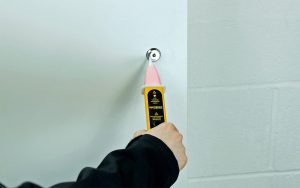
Safe isolation is the cornerstone of electrical safety, and it is a rigorous process, but other potential hazards can still be present when working on electrical systems, warn Martindale.
One such issue is the injuries caused to engineers, contractors, electricians, and other workers coming into contact with unexpectedly live metal parts. In a recent major survey across the electrical industry by Martindale, 44% of respondents admitted they’ve encountered metalwork that was unexpectedly live. In addition, 29% stated they do not use a tester to check for live metalwork.
This invisible danger can be present in any workplace situation ranging from simple domestic systems through to commercial and industrial installations. Metal casings on equipment or appliances, pipework, and other types of metalwork can become live when they should be earthed.
Consequently, Martindale is refreshing their ‘STOP. No Check. No Contact’ awareness campaign reminding anyone working on or near electricity not to take any chances with exposed metal parts and to always check first, as they may be live.
They’ve also released a new video showing checks being carried out on exposed metal parts and screws, as well as the enclosure itself, using a VT7 single pole indicator on an AC system: https://martindale-electric.co.uk/dangers-of-live-metal-work/
“Standard industry-wide safe isolation procedures safely disconnect the supply from the circuit to allow safe rework, maintenance, or installation to take place,” says Steve Dunning, Managing Director at Martindale Electric. “They do not however cover checking for live metal parts, so incorporating this discipline into established work processes will further minimise risk and help ensure safer working practices.”
For potentially live metallic items, performing a touch test is essential. Single pole contact indicators, such as the Martindale VT7, can be incorporated into touch test safety procedures, however, this class of tester should be thoroughly checked to be functional before each use. Correct use should also be included in relevant safety training.
Other types of tester are used in these situations such as non-contact voltage devices, but extreme caution must be taken. These devices require a battery in order to work and are often sensitive to other signals, such as static electricity, and they cannot reliably be used to prove dead.
This is an increasingly important safety issue, so if the metalwork is not checked for being live don’t touch it. Remember: STOP. No Check. No Contact!


