








The Role of Redesign in Workplace Performance
Posted by: electime 11th February 2026
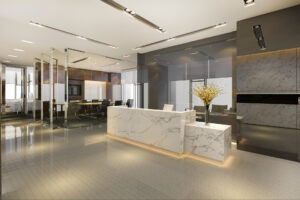
Workplace design isn’t just about aesthetics — it’s a powerful driver of productivity, employee satisfaction, and overall performance. As companies worldwide rethink how work gets done, redesigning physical spaces has emerged as a strategic priority. This isn’t paint and new carpet; it’s a thoughtful approach to how space influences behaviour, collaboration, and wellbeing.
Why Redesign Matters
Imagine walking into a workspace that feels cramped, outdated, and uninspiring. Now imagine one that feels open, purposeful, and energising. Which one makes you want to do great work? The physical environment has a profound psychological and practical impact. Studies repeatedly show that well-designed workplaces can improve focus, enhance creativity, and reduce stress. Redesign transforms space from a backdrop to a strategic asset — one that supports organisational goals and empowers employees.
Aligning Space With How People Work
One of the biggest trends in workplace design today is the shift from rigid cubicles to flexible environments that reflect how people actually work. Teams may need private areas for deep focus, open zones for collaboration, and quiet corners for uninterrupted thinking. Redesign helps close the gap between how space is currently used and how it should support workflows. By analysing patterns of movement, interaction, and task requirements, organisations can create zones that align with real work habits rather than assumptions.
A thoughtful redesign also considers multi-use spaces. A conference room might double as a brainstorming area. A quiet lounge can become an informal meeting spot. This adaptability not only maximises square footage but also fosters a culture where people feel comfortable choosing the setting that best fits their task at hand.
Boosting Employee Wellbeing
Employee experience has never been more central to workplace strategy. Redesign plays a key role in wellbeing by optimising natural light, improving air quality, and incorporating elements that reduce noise and visual distraction. Colours, textures, and biophilic design (bringing nature elements indoors) all contribute to how employees feel throughout the day.
Wellbeing isn’t a luxury — it’s tied to performance. Employees who feel comfortable and supported by their environment are more engaged, take fewer sick days, and participate more fully in team dynamics. Redesign that accounts for ergonomic furniture, thoughtful layout, and spaces dedicated to breaks signals to employees that their comfort and health matter.
Driving Innovation Through Layout
Innovation thrives in environments where people can connect easily. Traditional layouts that isolate departments or individuals can unintentionally create silos. Strategic redesign breaks down barriers and encourages cross-team interaction. Open common areas, integrated collaboration zones, and flexible workstations create opportunities for spontaneous conversations that spark ideas.
For companies embarking on significant changes, investing in guided redesign — such as workplace redesign Newcastle organisations choose to enhance productivity and culture through expert planning — can result in spaces that truly reflect a company’s values and ambitions. A tailored approach ensures that design decisions support long-term performance, rather than being quick fixes.
Measuring Performance Impact
Redesign doesn’t stop once furniture is moved. To truly understand its impact, organisations should measure key performance indicators post-implementation. Metrics might include employee satisfaction surveys, collaboration rates, time spent in different zones, and even business outcomes tied to efficiency or innovation. This data informs future adjustments, making design a dynamic part of performance strategy rather than a one-time project.
Conclusion
Redesigning the workplace is much more than visual refreshment — it’s about creating environments that support how people think, work, and connect. When done with intention, redesign enhances productivity, fosters innovation, and elevates wellbeing. In today’s competitive landscape, organisations that view space as a strategic asset have a real advantage in attracting talent and driving performance forward.


