






Van expert reveals the top 5 questions to ask before buying your next motor
Posted by: electime 31st October 2024
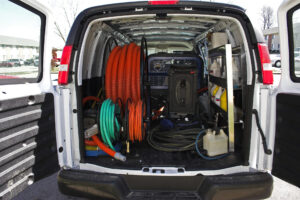 Searches for ‘What is the best van to buy’ have risen by 80 per cent in the last three months
- Experts at Vansdirect reveal what should be influencing you when buying a new van
If you’re a tradesperson, a good van is one of the best pieces of kit you will own. More than simply getting you from A to B and storing your materials, a work van is also a fantastic marketing tool for when you’re parked up or sat in traffic.
And while vans, of course, have their practical benefits, could there be a ‘best van’ for your line of work?
Well, it seems many tradespeople are puzzled by which van is right for them, with Vansdirect spotting searches for ‘What is the best van to buy?’ increasing 80% in the last three months.
With this in mind, Gregor Mackie, Operations Director at Vansdirect, has revealed what you should consider when choosing a quality van.
- Type of van – Do all your tools and materials have a place?
It may sound obvious, but the type of van you choose should always be tailored to your business needs. For instance, you don’t need to purchase a large van if you rarely carry enough materials to fill half the load capacity. Think reasonably and practically where you can, rather than thinking bigger is always better.
You can also tailor the body type of the van to suit your business. Panel vans are best for tool-based jobs such as plumbers or electricians, as they offer enough space for equipment and easy access through side doors. Luton vans are best for awkward items, which makes them a good choice for removal companies.
If your trade requires extra cargo space every now and then, a dropside or tipper van with their flatbed options will prepare you for those ad-hoc projects. Whether transporting more workers than usual to sites or flattening the back out for extra cargo, crew vans are great for working in line with your work schedule.
- Dimensions – Should your van be nippy or does it need more space?
Many tradespeople forget about the number of seats they realistically need. For instance, are you transporting just yourself, or numerous colleagues? And let’s not forget about the vital footwell space when the rear of the van gets packed.
Once you have decided on the number of seats in your van, you need to think about the height and width of your usual load and accommodate for that.
If you’re a courier for a furniture company, for instance, width is your friend. Furniture, even flat-packed, can come in tricky sizes; greater width gives you more space when you’re slotting in tables and bed frames like a pro.
And don’t forget the items that you have to rarely transport. Even if you only transport an inordinately wide object once or twice a year, you still need a van to accommodate this. Thinking about the full scope of your trade, even the ones that happen infrequently will save you greatly in time and money.
- Efficiency – Is now the time to switch to an electric van?
With the introduction of electric vans and initiatives such as government grants, van drivers now have more things than ever to consider. The benefits of electric vans are that they often have much lower operating costs and are also ULEZ/CAZ compliant. But as they are still in their infancy, they are yet to become as economical for heavy loads.
Diesel has long been a favourite for larger, heavy-duty vans as it burns fuel more economically for larger cargo. Electric vans are often leaner, zippier, and best for lighter payloads and trades which require frequent short journeys, such as operating a mobile coffee business, for instance.
- Security – How many locking features do you need?
Unfortunately, it has become more and more crucial recently that van drivers invest in a vehicle with good security features. With nearly 100 million pounds worth of tools stolen from tradespeople in 20231, criminals clearly see vans as a target to make some quick cash.
But for tradespeople, the damage isn’t only the repairs and replacements. It’s also the time not working and waiting for new tools to carry on with your jobs.
Central locking, deadlocks, and slam-locks are essential for any trade, particularly if you plan to store tools overnight.
- Payment options – Financing fleets or purchasing outright?
Purchasing a new van – although often a necessity – is still a big cost. So, when you do finally decide on the perfect motor, take into consideration some of the different ways you can fund this purchase.
Payment options will also depend on what you are going for. If you’re purchasing a fleet of vans, then paying for them all outright isn’t going to be realistic.
This is where van finance options such as Hire Purchase, Contract Hire, and Van Fleet Leasing are great as they help to spread the cost of your new van.
If you are considering van finance but don’t know where to start, then consider reading through some finance guides to help inform your decision.
To shop a range of van leasing deals, visit the Vansdirect website.


