






The rise of electric vehicle charging point use
Posted by: electime 26th August 2020
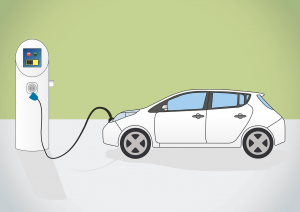 Boris Johnson has pledged significant investment in Britain’s electric vehicle charging network to support the Government’s plan to ban sales of new petrol and diesel cars by 2035. His vision is that electric vehicle (EV) owners should be no more than 30 miles away from their nearest charge point.
Although there are now more than 30,000 electric vehicle charging points across the UK in over 11,000 locations – that’s more charging points than petrol stations! An additional three million charging points would need to be installed at commercial and industrial sites by 2040 to meet the government’s targets, according to a report from Aurora Energy Research. Findings from the AA show eight out of ten drivers feel the lack of charging points are a barrier to buying an electric vehicle. These figures mean there are significant opportunities for electrical contractors within the residential and commercial markets.
Electrical Vehicle Charging Points (EVCPs) opportunities for electricians
With each new EV registration, the demand for EVCPs increases; another domestic point that needs to be installed or a communal charge point to be added in petrol stations, car parks and high streets, workplaces and homes, in cities and remote spots across the country. The opportunities for contractors will be significant and will continue to grow as 2035 approaches. If you offer EVCP installation, you’ll have an advantage over your competitors.
Domestic charging
The estimated annual mileage for a car in England was 7,600 miles in 2018 according to the RAC Foundation. It’s expected that around 80 per cent of electric car charging will take place at home, so the Government is offering homeowners a grant towards the cost of installing a home EV charger. This will be through the Electric Vehicle Homecharge Scheme (EVHS), but the installer must be Office for Low Emission Vehicles (OLEV) registered to claim and the EVCP must be OLEV approved.
Many electric vehicles can be charged with a cable that can be plugged into a 13 Amp socket-outlet. However, to fully charge an electric vehicle like the 40kWh Nissan Leaf will take at least 13 hours. A faster option for home charging would be to use a fast charge type EVCP, which should be fitted by a registered electrical contractor.
Workplace charging
The workplace charging scheme (WCS) will allow businesses to save up to £10,000 on the cost of installing EVCPs, provided they have sufficient off-street parking.
In order to claim the grant, the EVCP needs to be OLEV approved and the installation must be completed by an OLEV registered electrical contractor.
Are you ready?
If you’re not already familiar with the latest EV charging equipment requirements, you should review BS7671:2018 (IET Wiring Regulations – 18thEdition) including Amendment 1 which was published in February 2020. Training on this topic is available from https://www.shop.niceic.com/electric-vehicle-charging-course.
In preparation for 31 July, 2020, the date at which Amendment 1 comes into effect, the NICEIC has also created a podcast discussing the changes. This is well worth a listen and can be accessed by visiting https://www.niceic.com/low-carbon-fixor by searching for NICIEC Low Carbon Fix via your preferred podcast provider.
Finally, before you are able to install EVCPs and access the grant, you will need to become an accredited installer with the EV charging supplier and be approved by OLEV.
The demand to install EVCPs represents a huge opportunity for competent electricians to embrace. Now is the time to embrace this opportunity. To be fully covered to install EVCPs, you may also need insurance. At NICEIC and ELECSA Insurance Services, we provide a comprehensive insurance package which includes cover for EVCP installations, giving you complete peace of mind.


