






Charging firms hit back at plans to water down ZEV mandate
Posted by: electime 9th November 2026
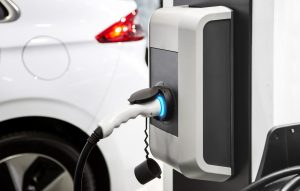 EV charging operators have warned the Government against weakening the zero emission vehicle (ZEV) mandate, amid reports that ministers are preparing to cut the 2030 electric car target from 80% to around 60%.
According to The Guardian, a cross-departmental meeting led by First Secretary of State Louise Haigh is due to take place on Wednesday (11 November). It will bring together the Department for Transport, the Department for Energy Security and Net Zero, and the Department for Business and Trade.
The reported changes would set the 2030 target at about 60% of new car sales, with the scheme’s flexibilities extended to 2034. Earlier reports had suggested a figure of between 50% and 60%.
The Government has not confirmed the plans. It said it would take a “pragmatic and balanced approach” to the mandate and remained “committed to the phase out of all new cars relying solely on petrol and diesel engines by 2030”.
‘Charging infrastructure is not the problem’
Delvin Lane, CEO of InstaVolt, which describes itself as the UK’s largest ultra-rapid charging network, rejected claims that a lack of chargers is holding back EV uptake.
“This is speculation at this stage, and we need to see what the Government actually proposes,” he said. “We recognise there is a balance to be struck between protecting jobs in the automotive industry and maintaining ambitious targets for the transition.
“But let’s be clear: charging infrastructure is not the problem. The industry needs to stop using it as an excuse for weakening the rules. We are delivering infrastructure ahead of schedule, investing billions and building a network ready to support more drivers making the switch.”
He added: “Almost one in three new cars sold in October was fully electric. The market is moving, and drivers can have confidence that the charging infrastructure is there and will continue to grow.
“What businesses need now is certainty, not another round of shifting goalposts.”
Call to tackle the ‘driveway divide’
Tom Hurst, UK country director at Fastned, said the reports were “concerning and counterintuitive at a time when the sale of electric vehicles in the UK is currently higher than ever”.
“32 per cent of all new vehicles sold in October were electric, the highest market share achieved this year, and September set the UK record for the number of electric vehicles sold in a month,” he said.
“It’s really positive to see that there is strong and sustained growth for electric vehicles in the UK. This demonstrates that the ZEV mandate is achievable and delivering, as the Government needs it to be if it is to achieve its net zero targets.”
Rather than backing away, Hurst said the Government should reaffirm its commitment to the transition. He called for steps to encourage adoption, “such as addressing the ‘driveway divide’ caused by the unfair disparity between VAT on domestic and public charging”. Public charging carries 20% VAT, compared with 5% on home electricity.
“Decarbonising road transport represents one of the most immediate engines for clean industrial growth and energy resilience,” he added.
Record share as debate intensifies
The reports come days after SMMT figures showed 48,858 battery electric cars registered in October. That was up 32.7% year on year and gave a 32% market share, the highest this year. Year to date, EVs account for 26.6% of the new car market.
Under the current mandate, 33% of a manufacturer’s new car sales must be zero emission in 2026, rising to 80% in 2030. Carmakers have lobbied to cut the targets, and SMMT chief executive Mike Hawes has called for “substantive reform effective immediately”, saying: “Higher targets may force supply, but they do not create demand.”
The charging sector has warned that a further change would damage investor confidence. ChargeUK chief executive Shane Brennan said weakening the mandate “puts £1.7bn of charging infrastructure at risk”.


