




Why Heating Engineers Benefit from Electrical Qualifications more than ever
Posted by: electime 4th August 2021
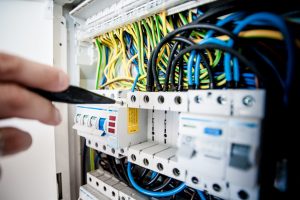 With the looming gas boiler ban and adoption of low carbon heating alternatives, it’s becoming clearer than ever that electrical qualifications will become more and more relevant in commercial and domestic heating.
So, what type of accreditations are currently required to install heating systems? And how can heating engineers equip themselves for a future that is going to be more electric?
In this post we will explore what qualifications are currently required, what applications require electric qualifications and the major benefits of gas engineers adding electrical qualifications to their arsenal.
What qualifications should heating engineers have currently?
Heating engineers require specific qualifications to work safely. There are a range of qualifications that can be accepted in order to become a qualified heating engineer depending on the training route chosen such as via an apprenticeship or via a vocational course.
The Energy & Utility Skills website advises details of industry recognised qualification evidence that can be referenced here: https://www.euskills.co.uk/about/our-industries/gas/
In addition to qualifications, there is a legal requirement that all gas heating engineers also obtain Gas Safe Registration.
What is a current process to become registered as gas safe?
Once a heating engineer has passed their industry recognised qualifications and sought evidence of competence, they can apply for Gas Safe registration.
Initial registration will be subject to a three-month probationary period, in which time the engineer will need to undertake installations and obtain supporting evidence of examples of their works in order to obtain full registration.
Once registered with Gas Safe, the accreditation lasts 12 months, after which point the heating engineer would need to renew their registration following the renewal process.
When is a qualified electrician required during the installation of a new or replacement central heating system?
Despite having industry recognised qualifications and accreditations, a heating engineer would still require assistance from a qualified electrician in certain situations such as to install an electrical isolation point or complete the final electrical wiring in order to get the boiler running.
This has been the process for some time however it can cause delays to the installations while the electricians are called in.
In addition, as EnergyGuide.org.uk discusses gas fuelled boilers are due to be banned within new build homes from 2025, there will be a natural shift to more eco-friendly options that are often found to have electrical components and therefore the skills in order to work with such systems will be in higher demand.
What are the benefits of undertaking electrical qualifications as a heating engineer?
Should an engineer choose to undertake further training in order to add electrical competences to their skill set, they can benefit from:
- Offering a full service to customers
Heating engineers with electrical qualifications can offer their customers a wider range of services and minimise potential disruption or delays to projects by undertaking multiple-disciplined works.
From the customer’s prospective, there would be less tradespersons involved with a heating installation, therefore reducing the potential of issues with double-booked engineers, delays due to sickness or holidays, whilst also streamlining the transaction so that only one invoice is required to be settled, which could in turn reduce the overall cost.
From the engineer’s prospective, the entire installation package can be undertaken in its entirety without waiting on a third party which creates a greater level of ownership and responsibility of quality of the task in hand, which is also likely to increase job satisfaction. In addition, the engineer is more in control of the overall customer service provided and brand reputation.
- Work more efficiently
There will be less periods of downtime when the engineer would have previously waited for the call out an electrician as they can now undertake the electrical disciplines themselves. Working more efficiently also opens opportunities for the engineer to obtain more works and therefore earn more money.
- Increased variety of works
A qualified multiple-disciplined engineer would be able to undertake a wider selection of tasks competently and therefore could accept a wider variety of work for increased job satisfaction.
- Futureproof their career
As briefly mentioned, the installation of gas boilers is due to be banned from 2025 and therefore the future of new installations will need to find alternatives which often include electrical components.
Heating engineers without electrical skills will therefore be limited to only undertaking maintenance and new installations within older properties and therefore over time may find this an obstacle to obtaining works.
What level of electrical qualification would be appropriate for heating engineers?
The necessary level of qualification for a heating engineer to undertake the required electrical works is a minimum of Level 3 VRQ. The course will take a minimum of 20 days to complete by attending a reputable training centre.
Once completed, the engineer will be qualified to undertake electrical works with a property.
The future of the heating industry
As mentioned, the government have set a deadline for the end of new gas installations within new build properties. This in conjunction with an increased focus on climate change is already starting to impact customer interest and choices when it comes to researching a new boiler installation.
Analysis undertaken by boiler guide has found a large increase in potential customers seeking to install electric boilers over recent years, recording a steep increase of 1072 per cent between the years of 2016 to 2019. This trend will continue to gather pace as we edge nearer to the 2025 deadline and whilst government grants are available for eco-friendly heating installations.
Summary
In this post we have explored the current qualifications and accreditations that a heating engineer is required by law to have undertaken, whilst also exploring the reasons why an engineer may choose to continue their professional development into the electrical discipline.
There are a number of benefits of undertaking the additional qualifications in order for a heating engineer to be able to also offer electrical services including; increasing the services that can be offered improving the customer experience and variety of works for the engineer, reducing downtime and therefore having the opportunities to take on further jobs and increase earning potential.


